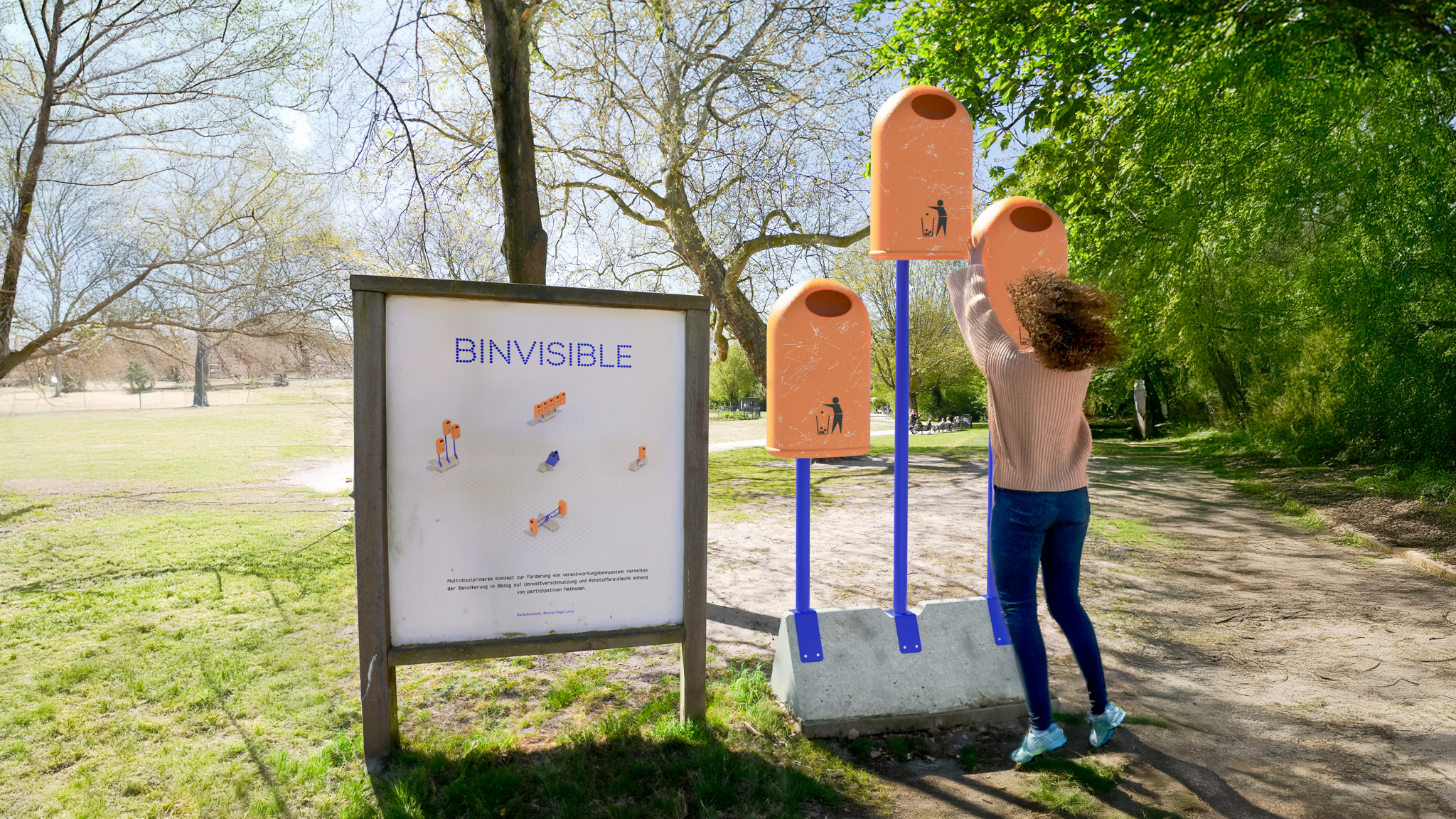
Binvisible
"Multidisciplinary concept for promoting responsible public behaviour regarding environmental pollution and resource cycles through participatory methods"
Bachelor Thesis | Product Design | 2024 Supervisors: Prof. Dr. Bianca Herlo, Kristin Dolz Social Design | Urban Hacking | Eco Design
WHAT IS WASTE?
"Trash" is the colloquial term for what is old, used up, and unwanted — everything that no longer holds any personal value or function for us. The act of throwing things away is often perceived as unpleasant, repulsive, and bothersome. As a result, the pragmatic routine of disposal receives little conscious attention.
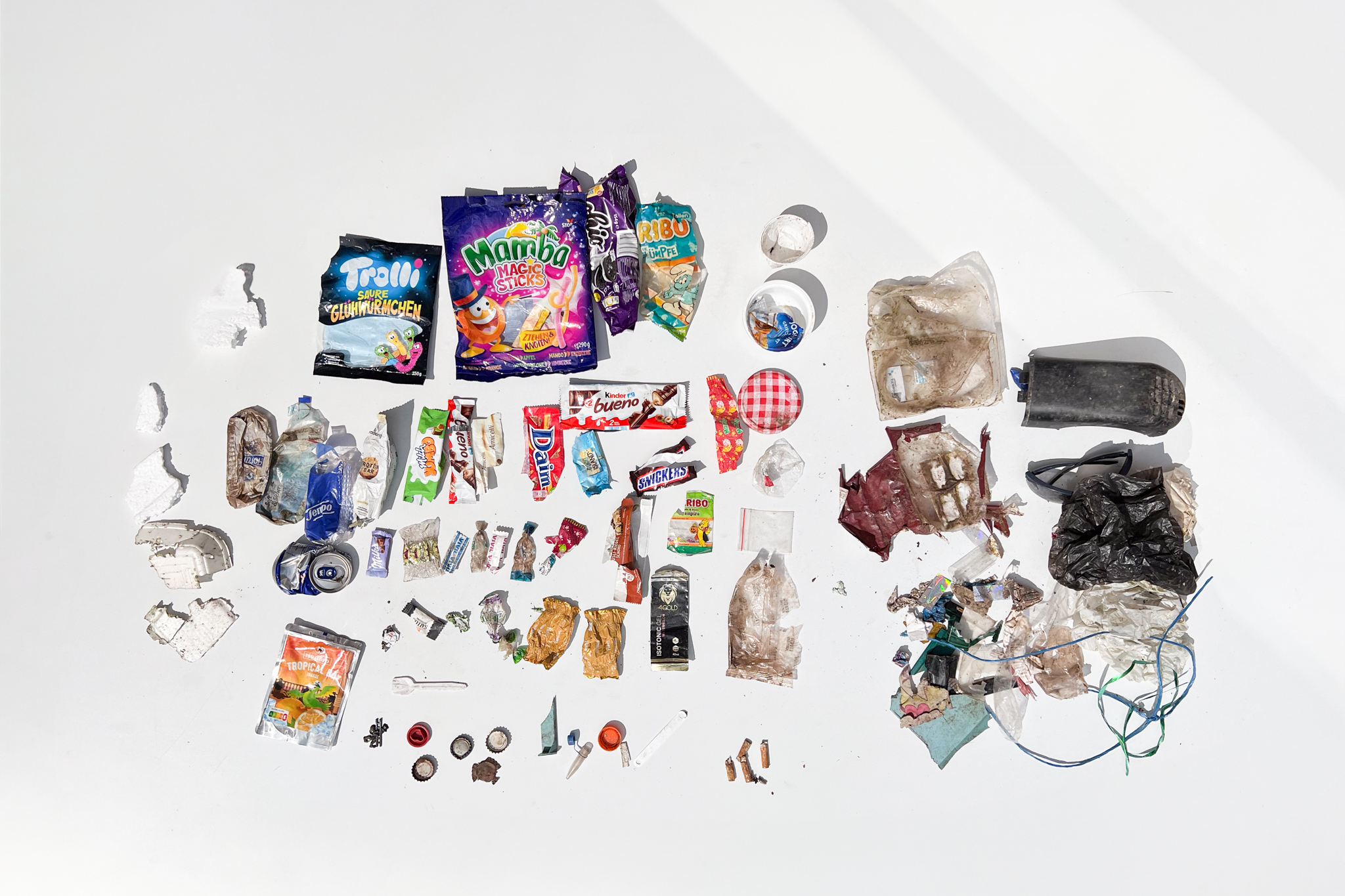
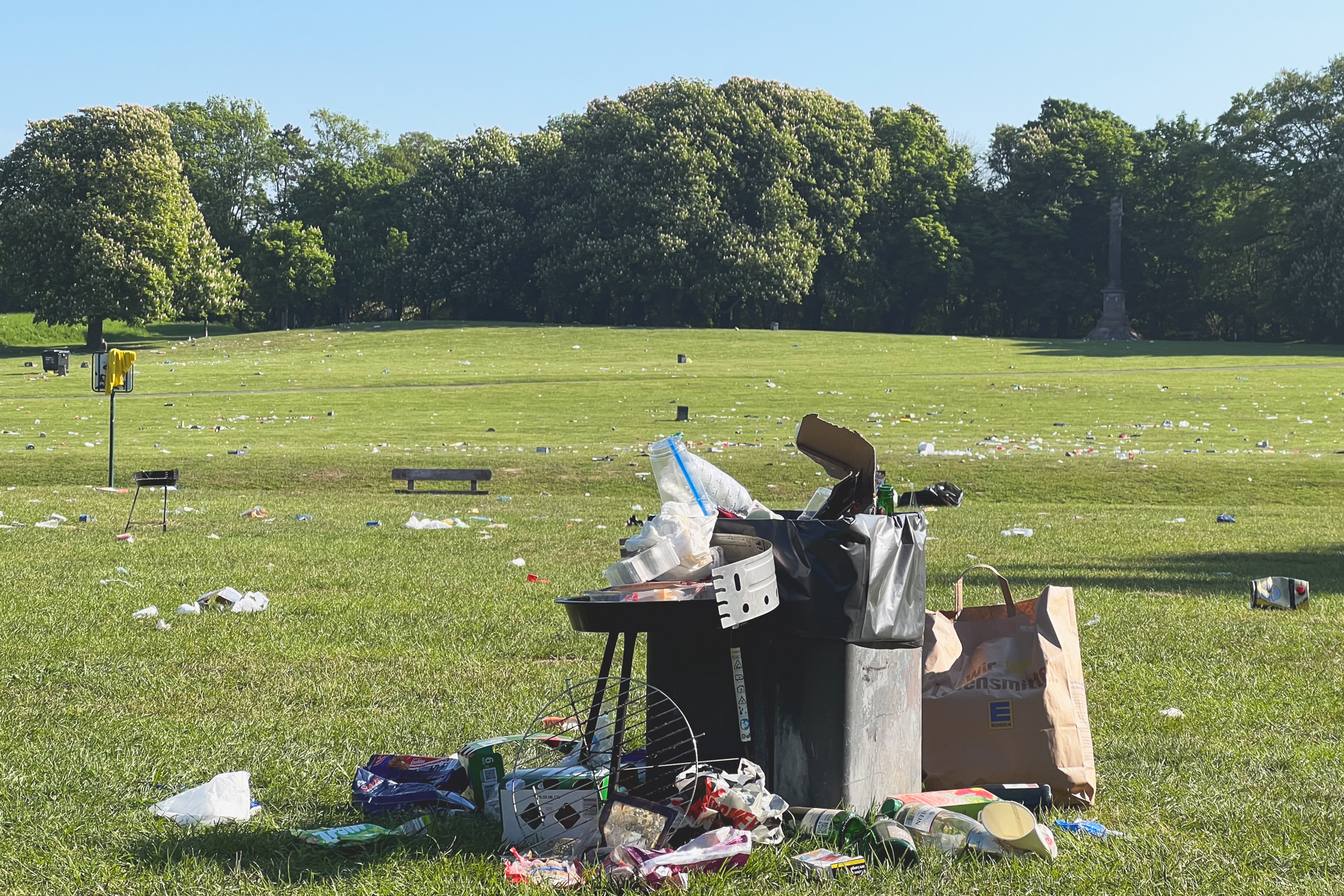
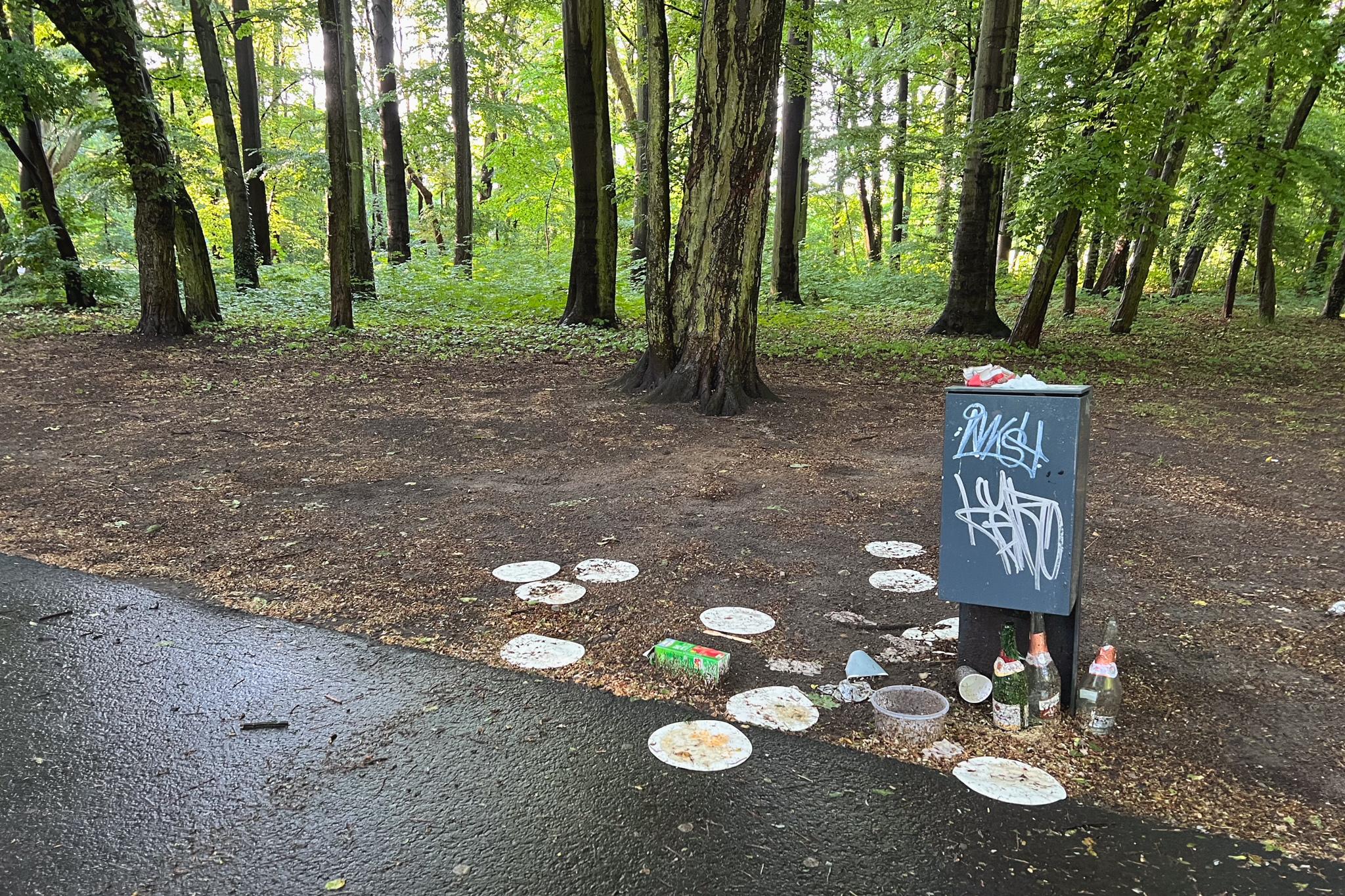
The problem becomes visible when waste is carelessly discarded in public spaces and the natural environment. This process of improper disposal is known as littering. Littering has significant ecological, aesthetic, and economic consequences. Properly disposed waste, by contrast, is largely invisible: it does not disturb, and thus escapes our perception. This invisibility makes it difficult for individuals to grasp how much waste they actually generate. In contemporary society, a selective perception has developed that causes both waste production and disposal to occur largely unconsciously. The bachelor project "Binvisible" addresses this issue by making the processes of disposal and the resulting volumes of waste visible. It is crucial to recognize, however, that the responsibility for tackling the waste problem does not rest solely with consumers — the problem must be addressed at its source.
URBAN HACKING
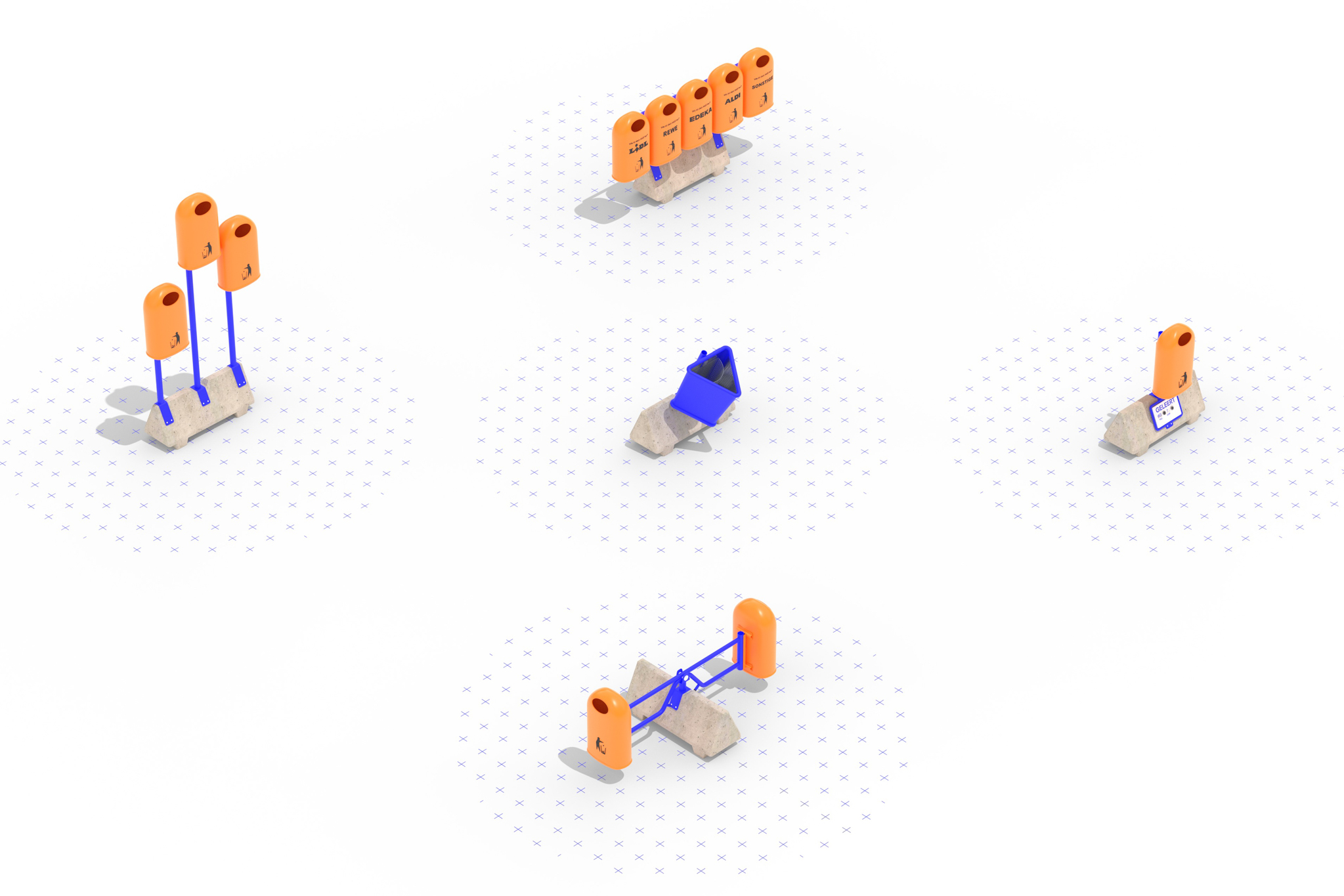
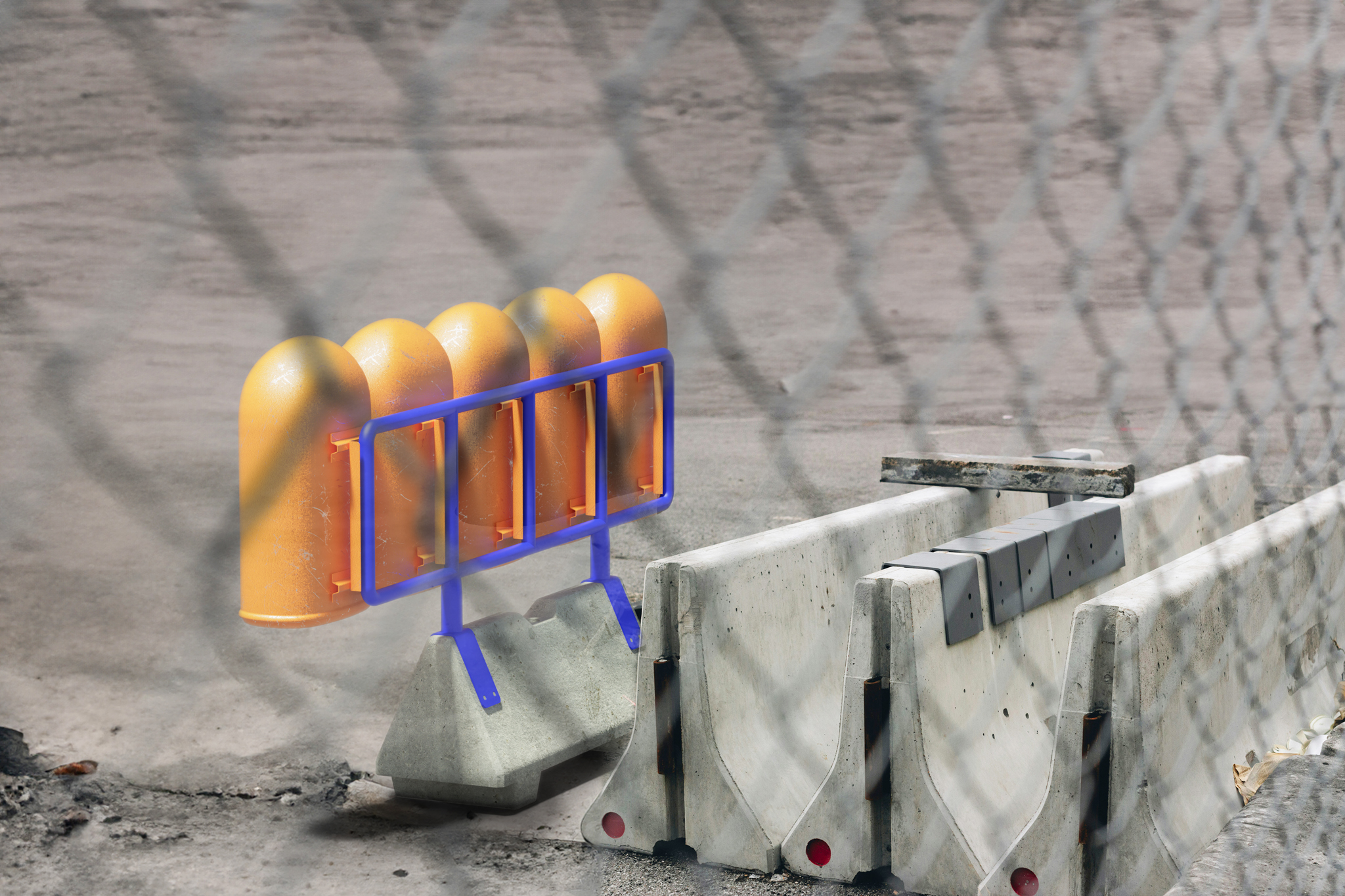
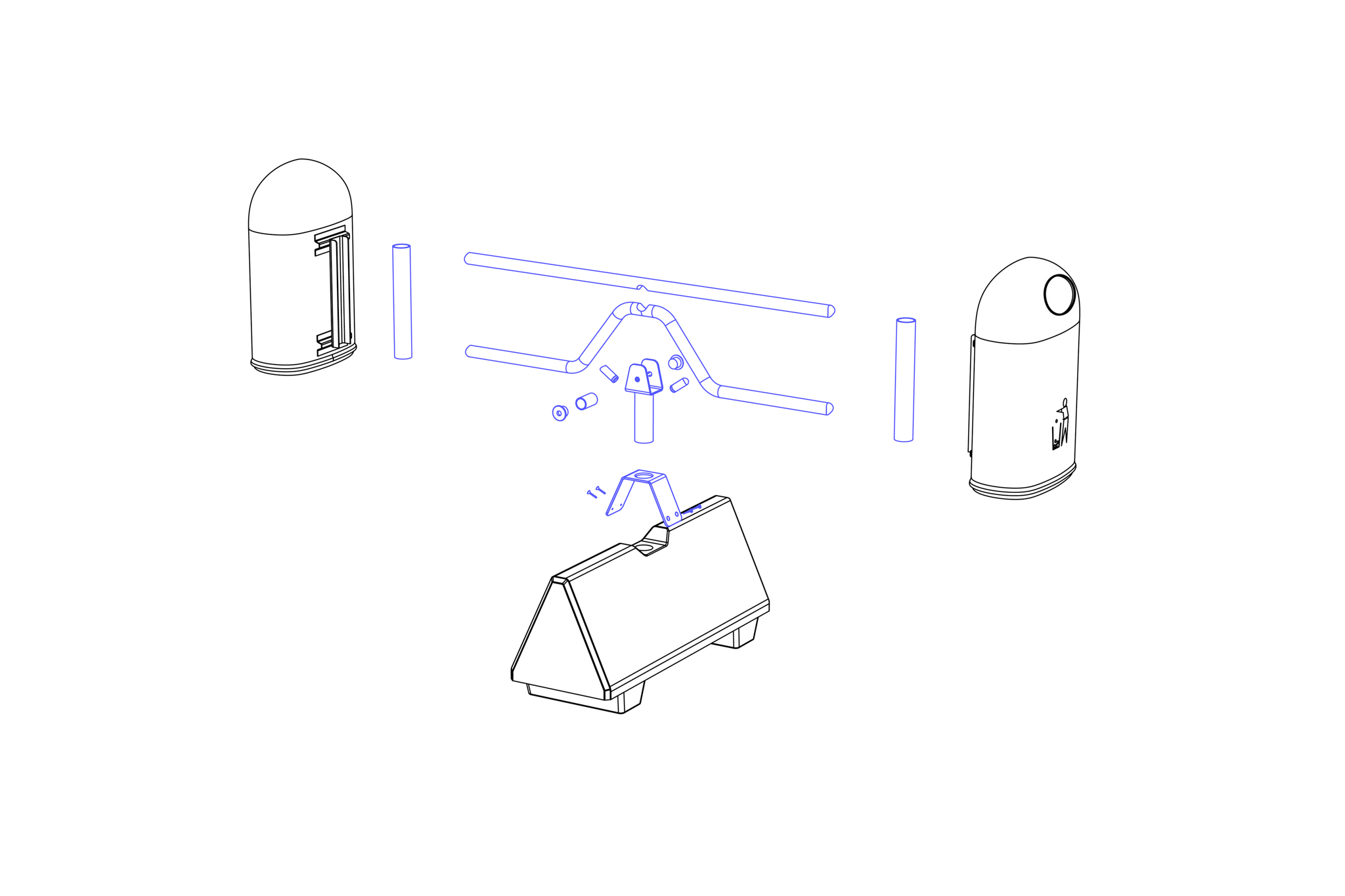
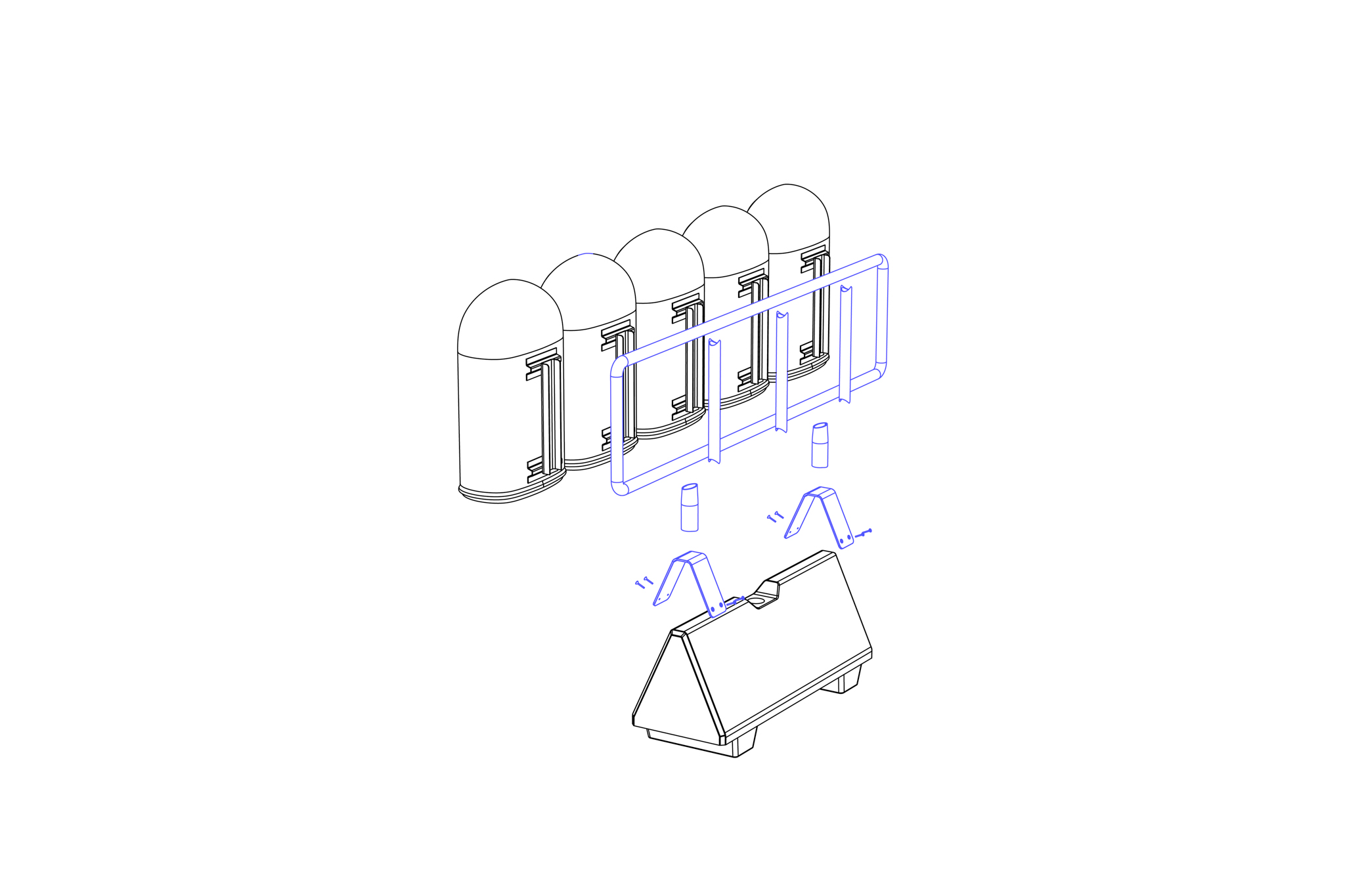
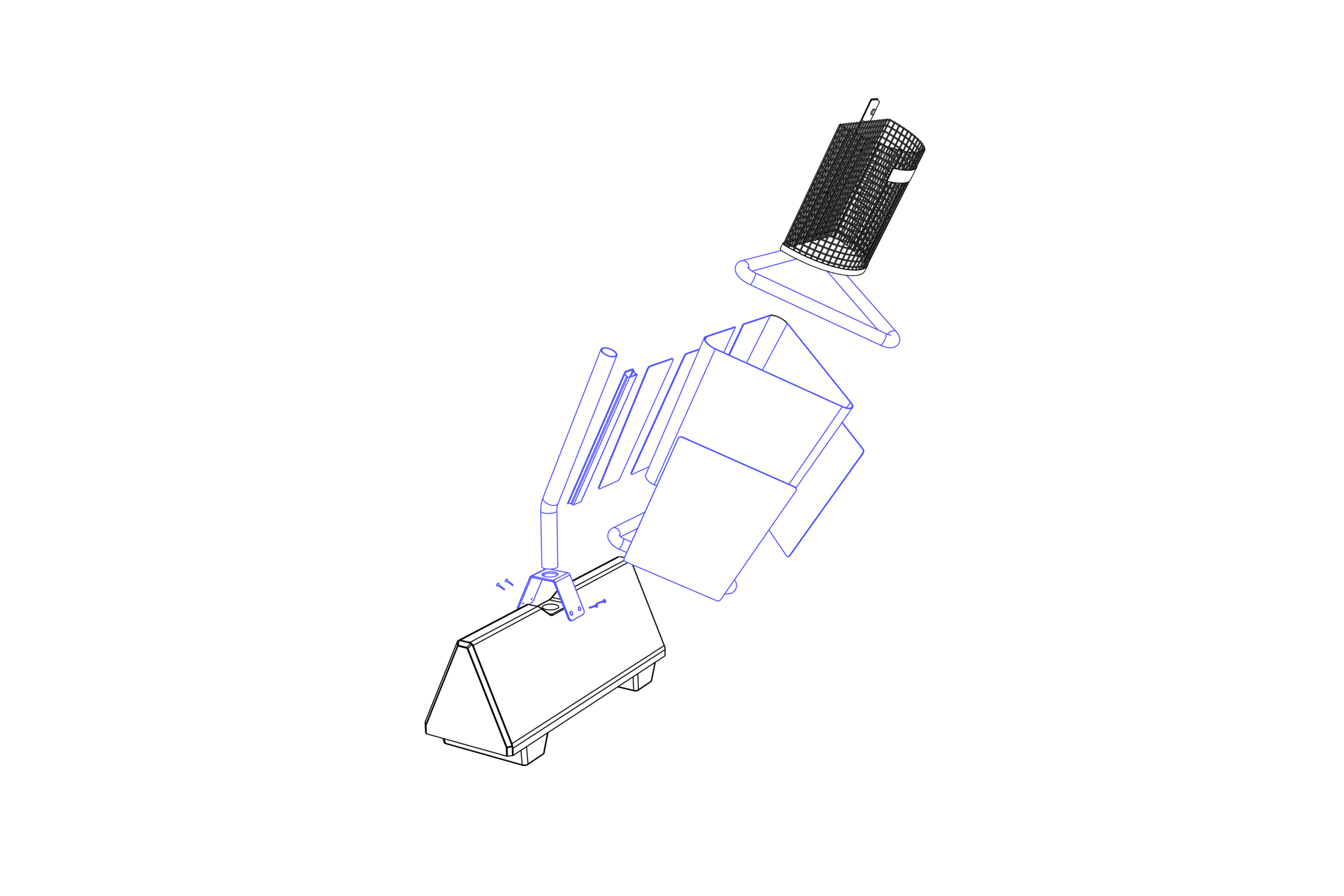
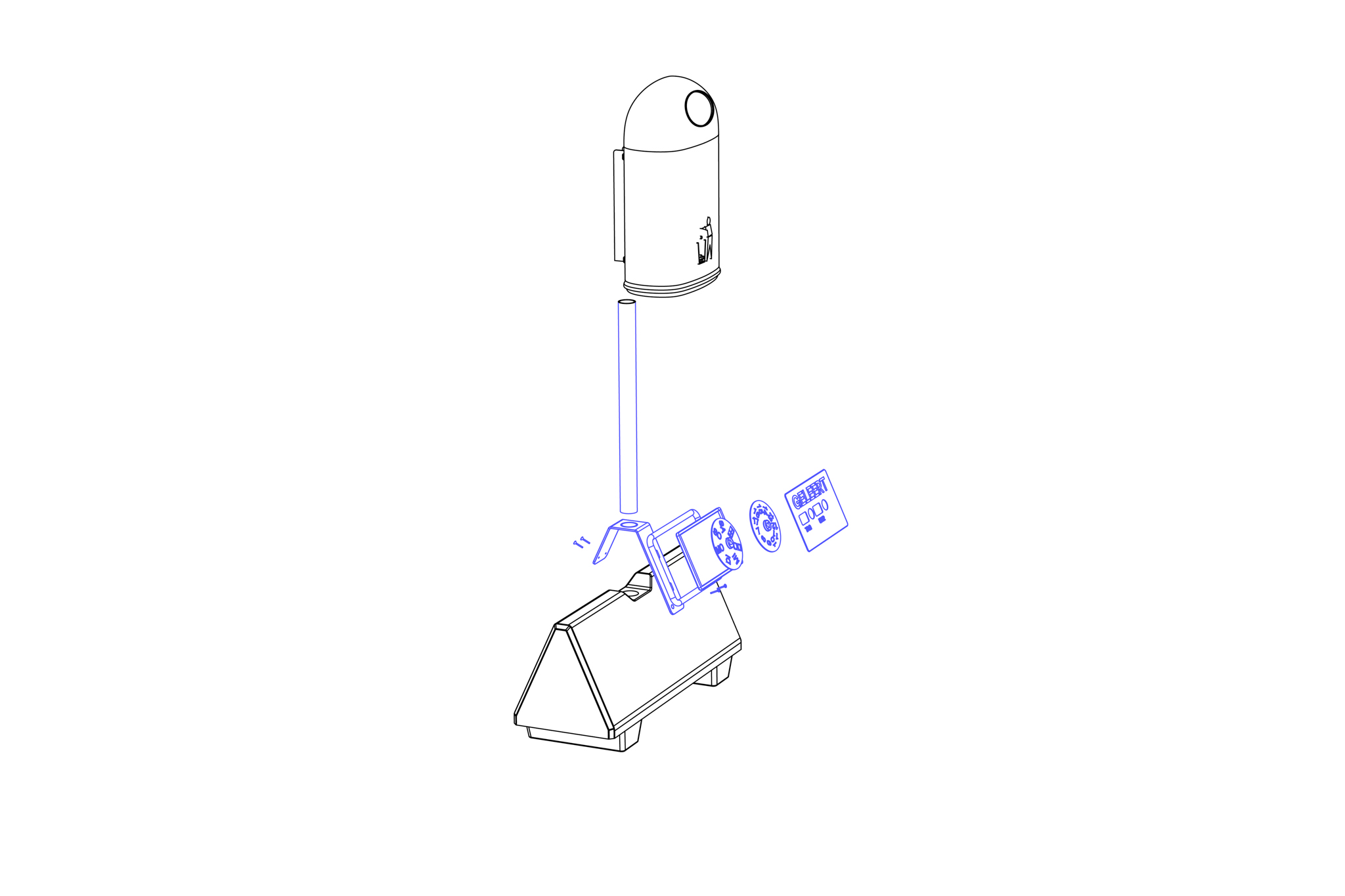
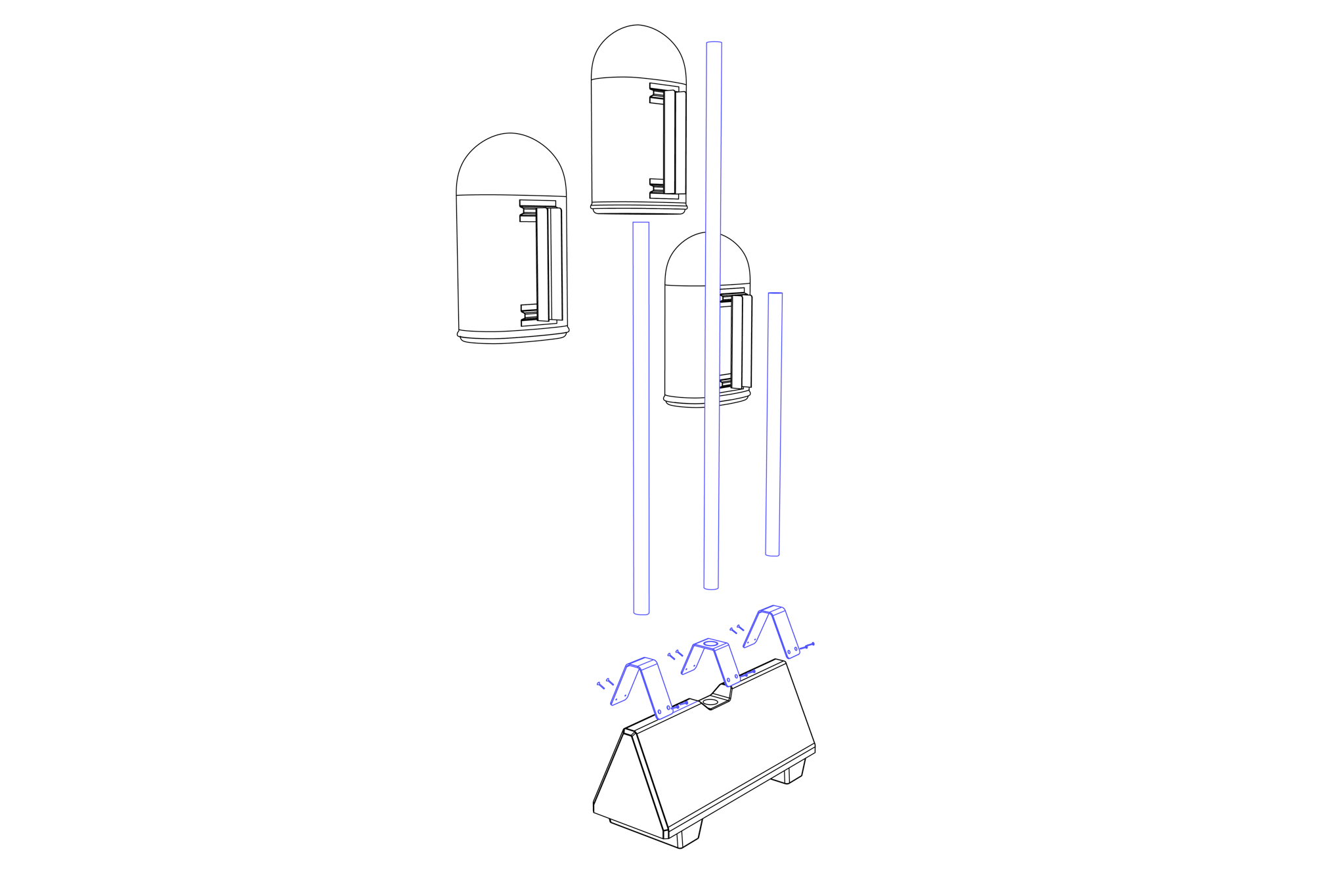
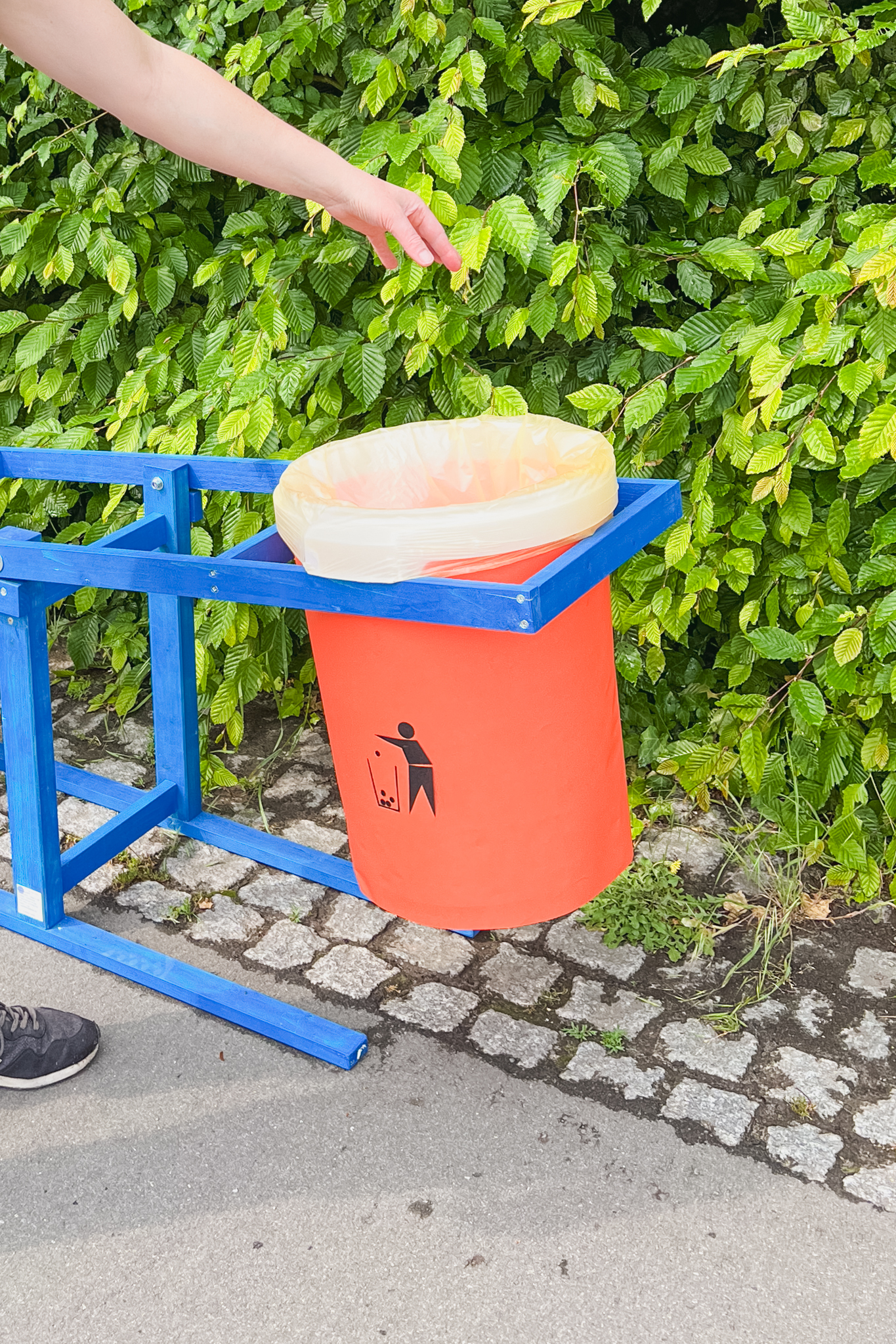
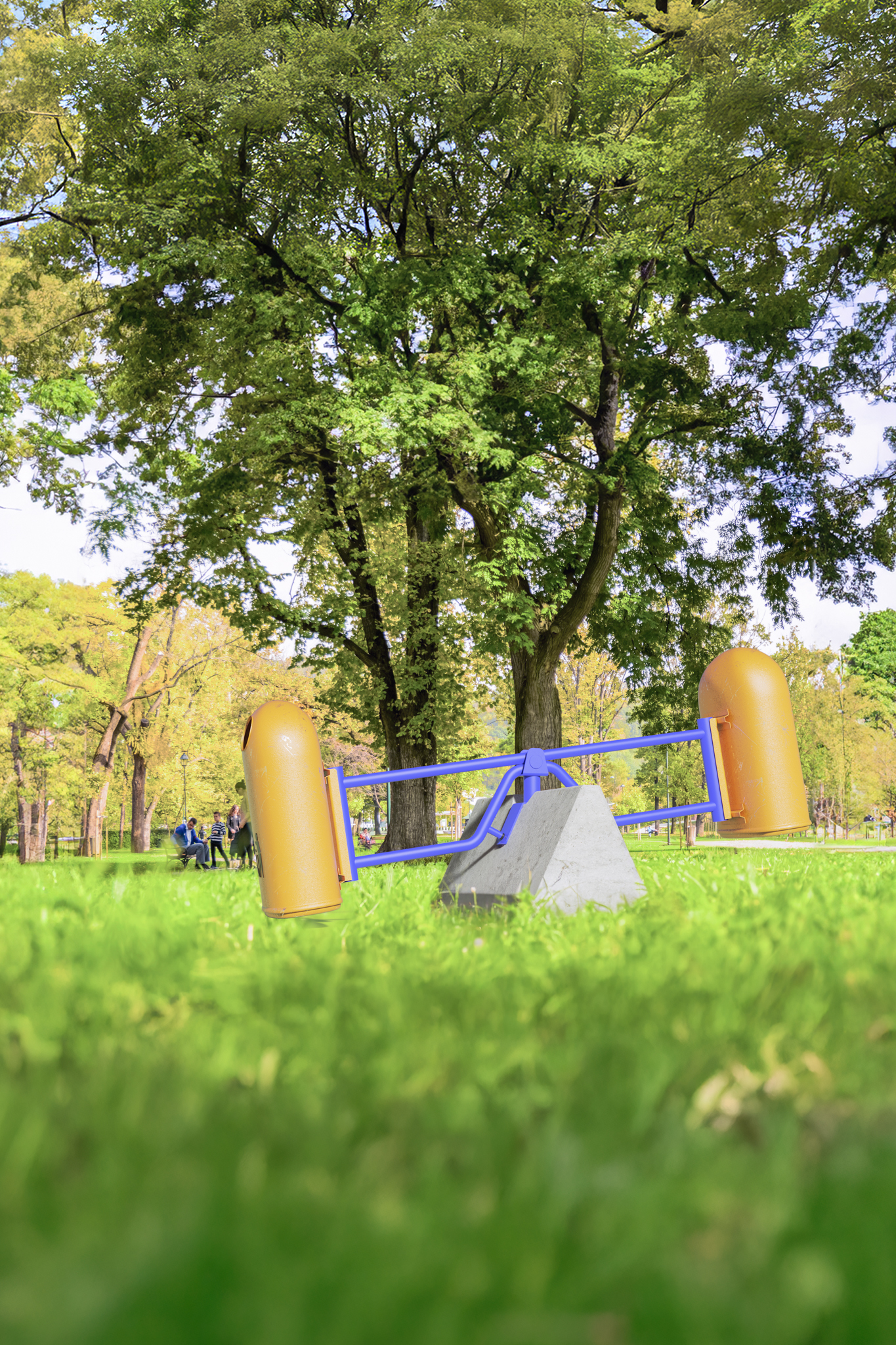
Existing municipal waste bins are adapted and their function extended with blue powder-coated steel structures mounted on concrete bollards, enabling flexible, rapid, and location-independent placement in public spaces. The five waste bin interventions disrupt the routinized act of disposal, prompting users to engage more consciously and responsibly with their own waste practices. Beyond this immediate effect, the interventions draw attention to patterns of consumption, prevailing packaging solutions, and the broader question of responsibility.
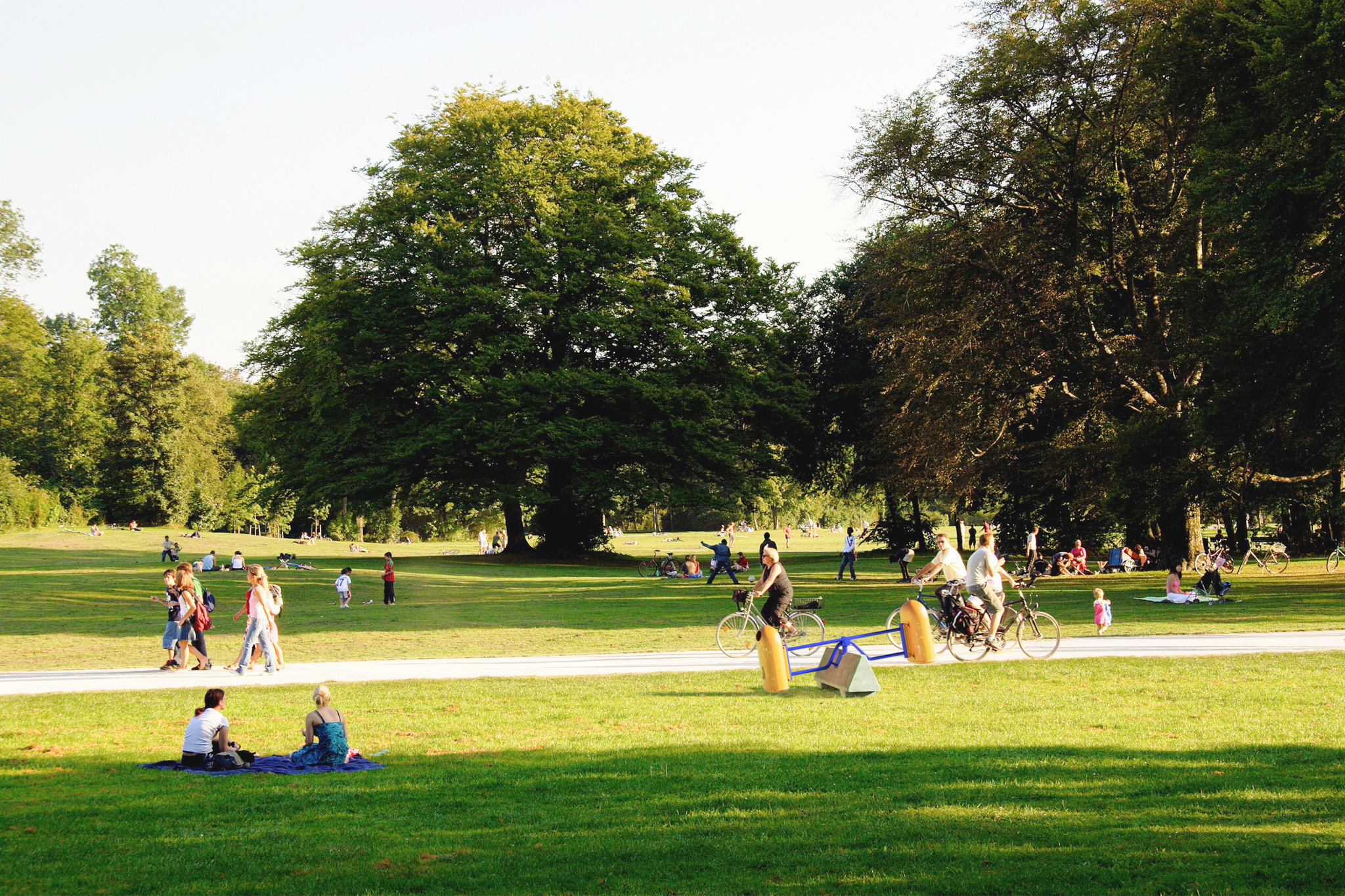
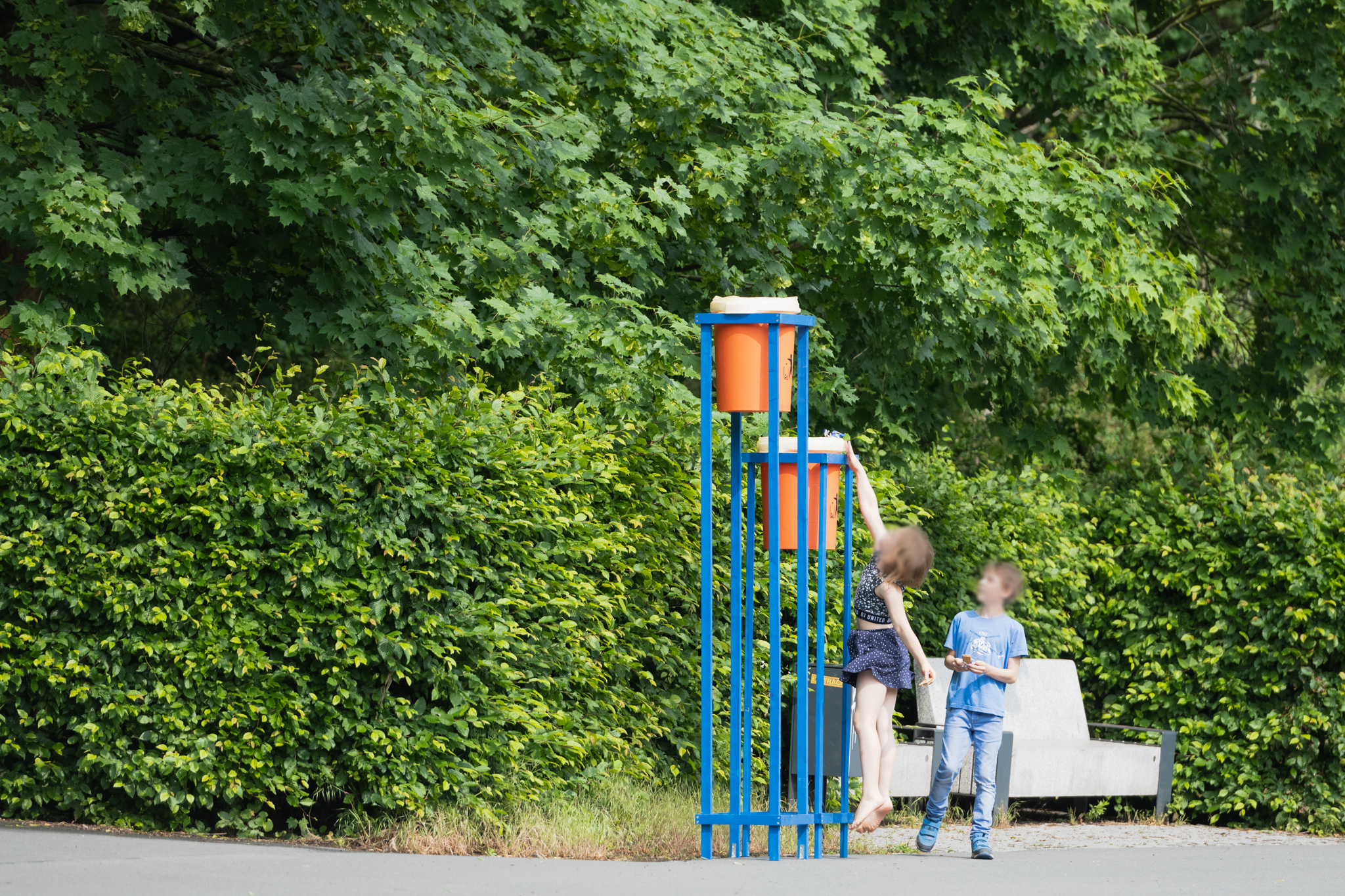
HIGHPOINT
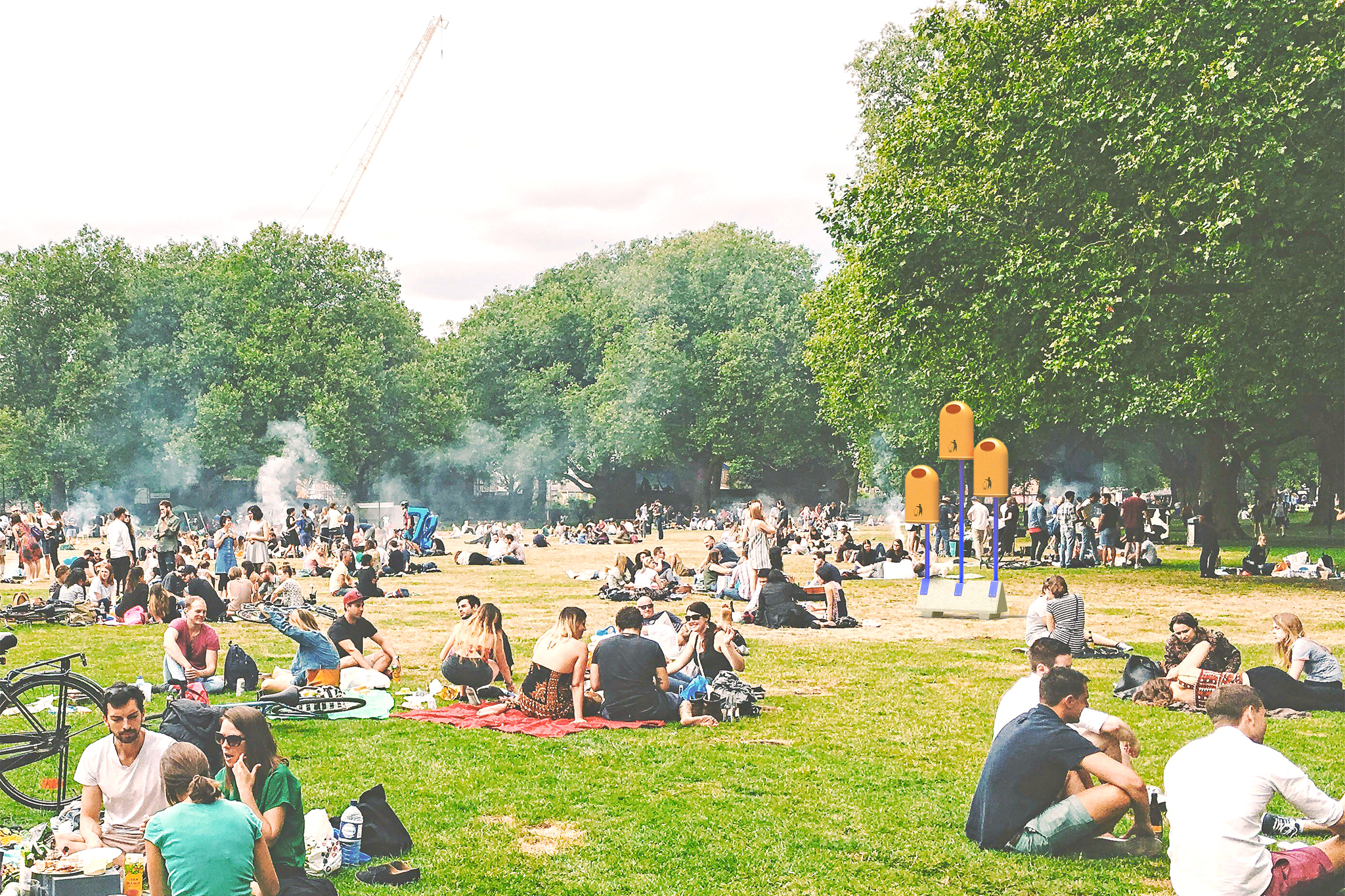
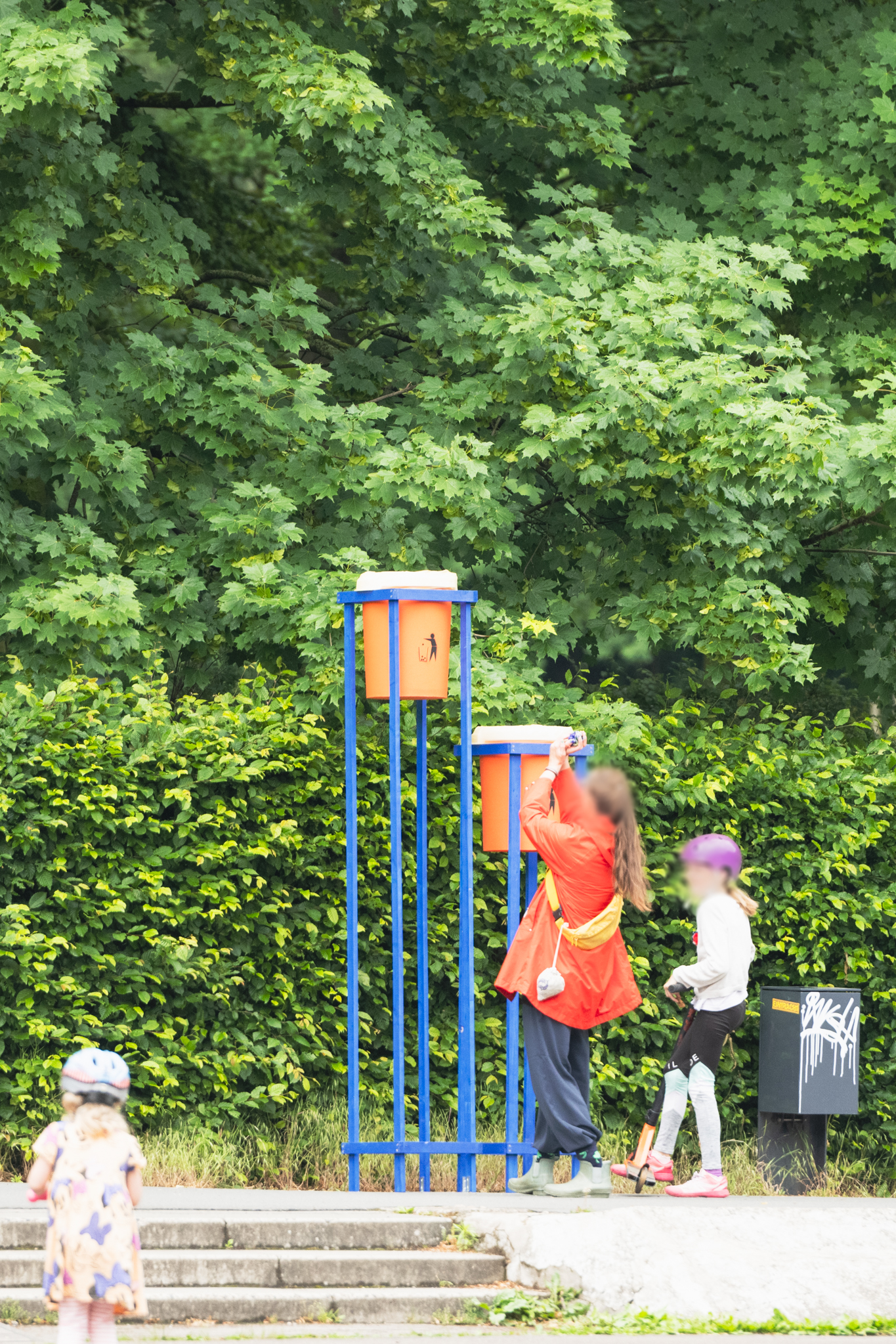
The elevated placement of the bins makes them highly visible and turns the act of disposal into a noticeable public gesture. Their height motivates users to aim and throw their waste into the bins, transforming what is usually a quiet, discreet act into a loud and playful interaction.
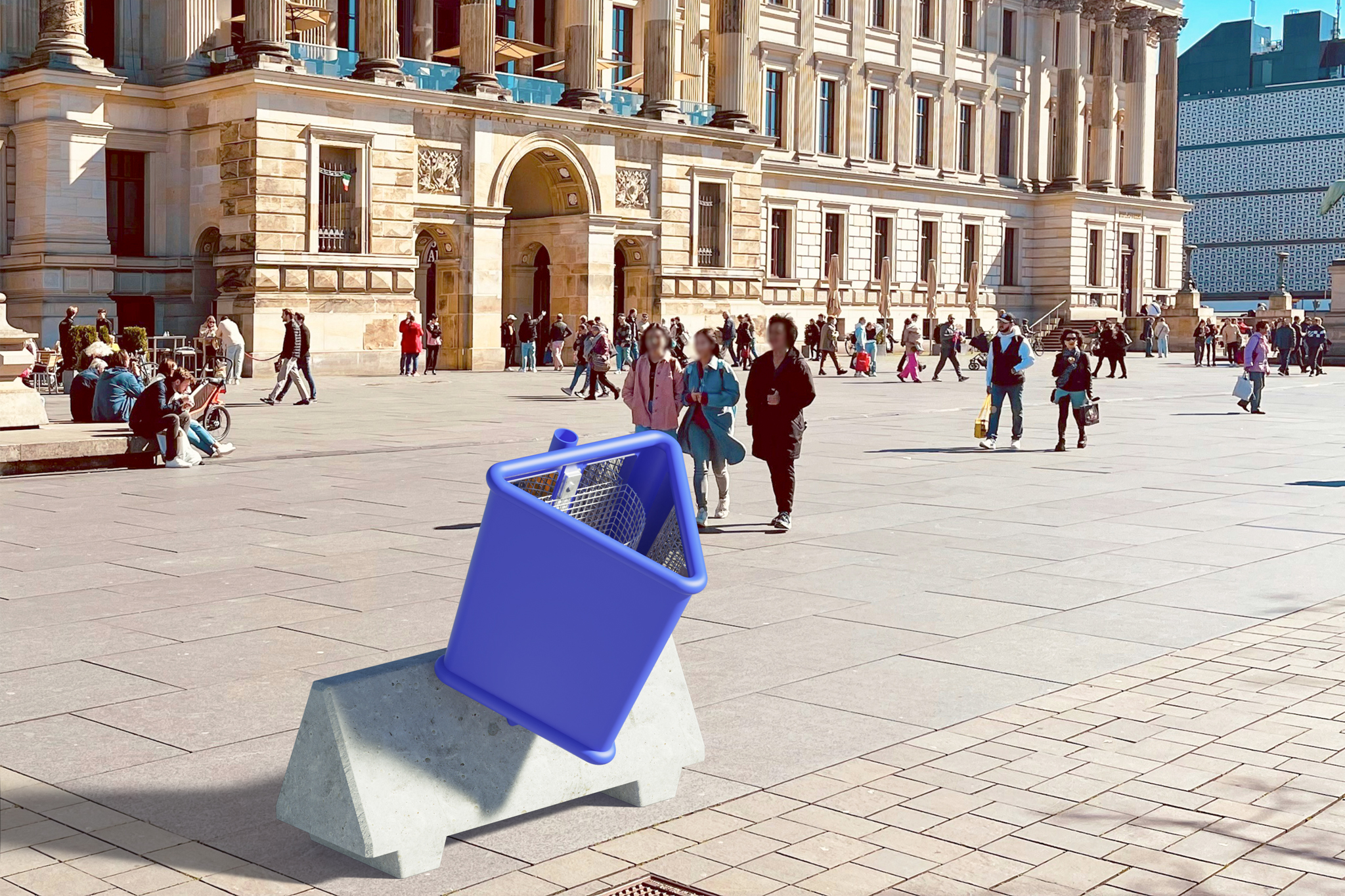
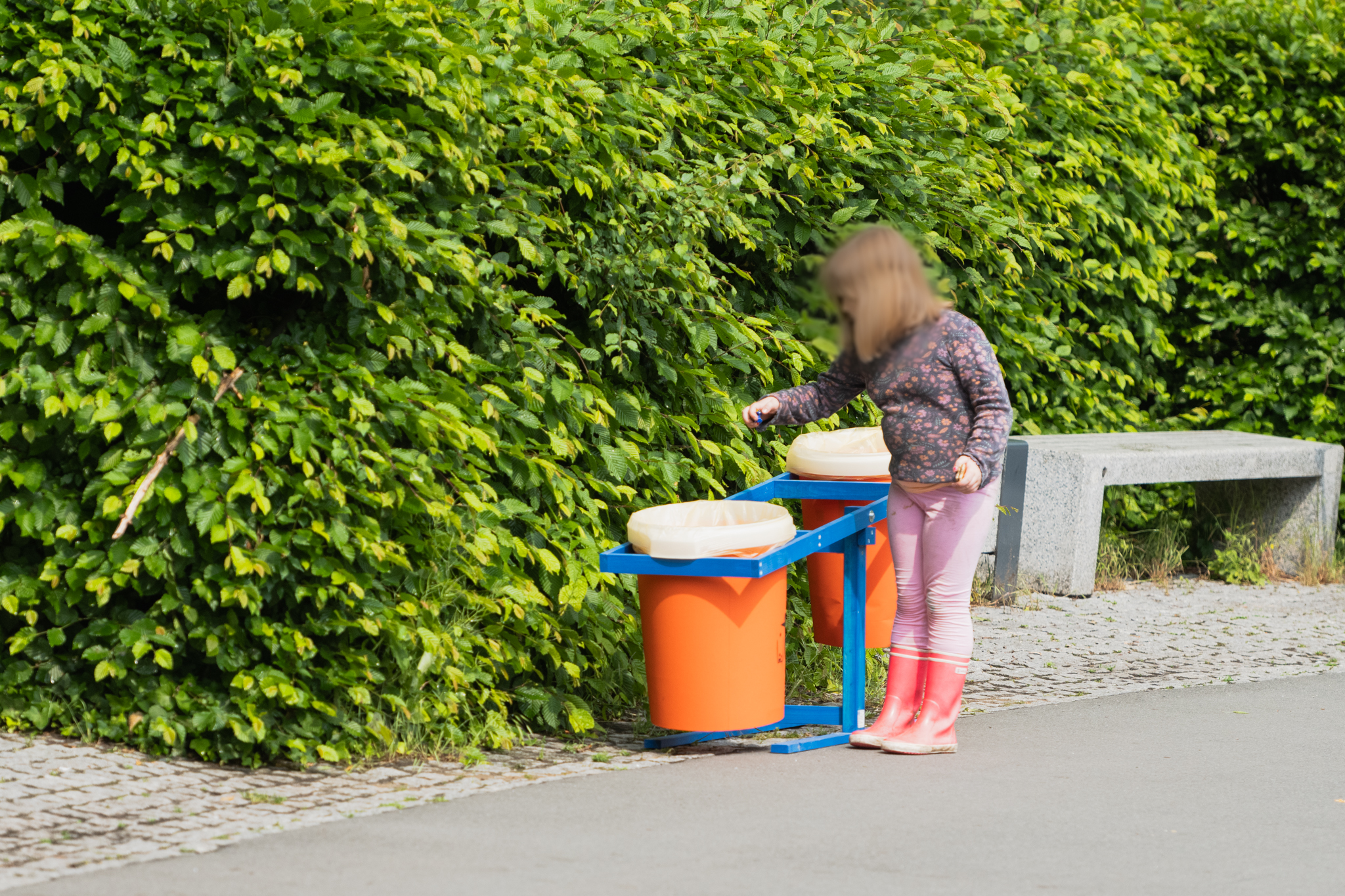
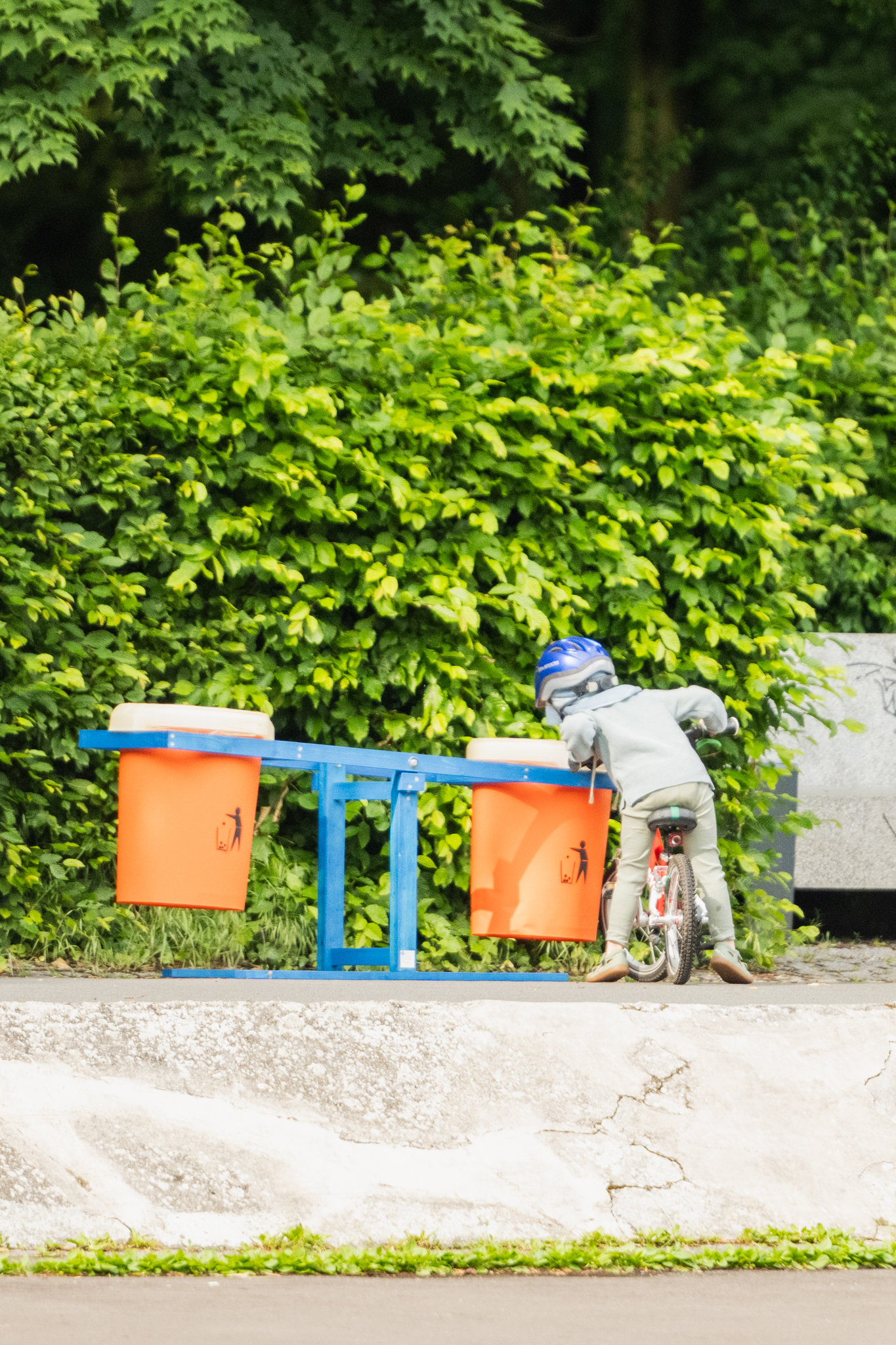
WEIGH
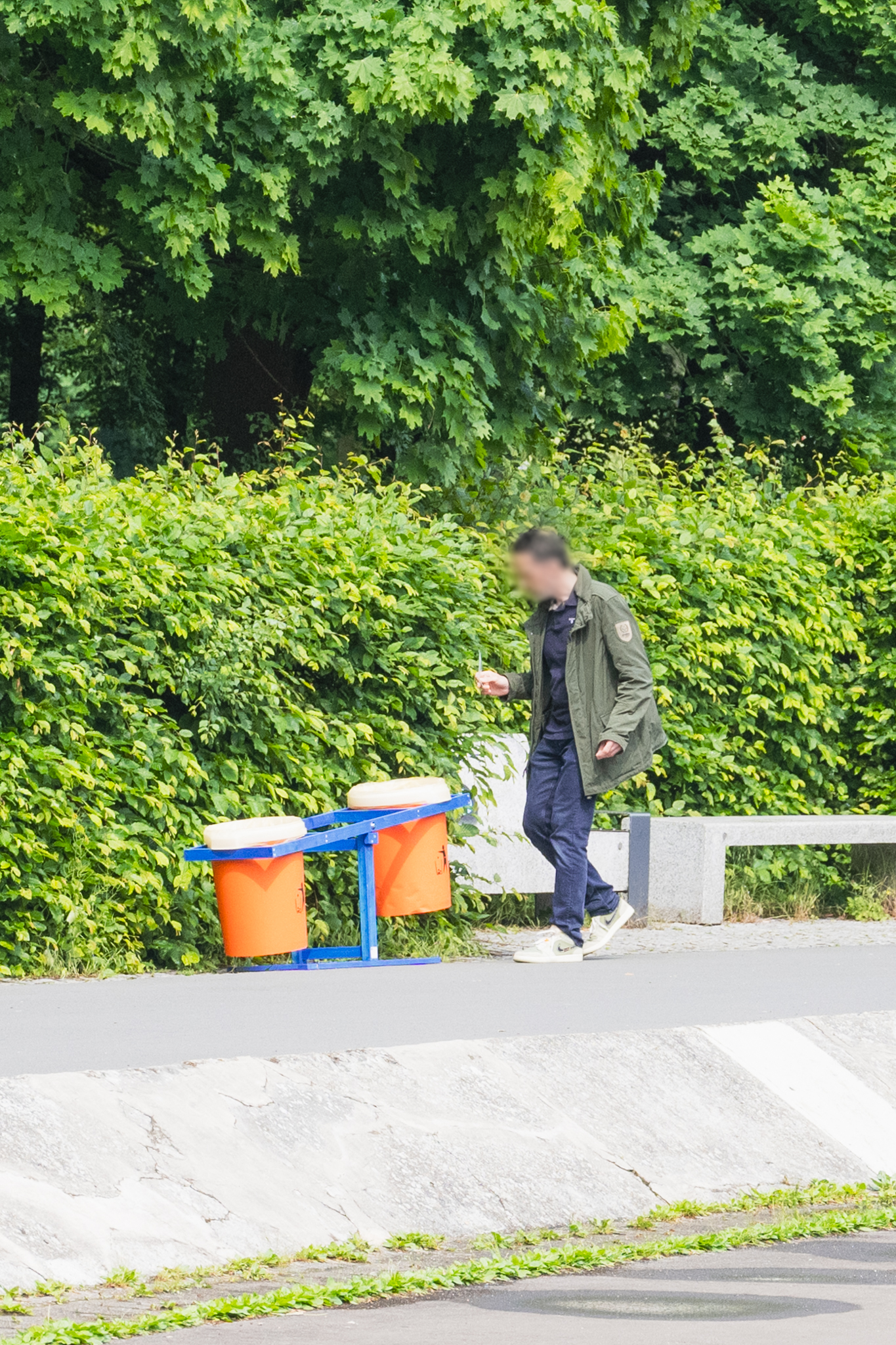
The construction tilts toward the side with the heavier waste bin, making the difference in weight and volume visible. The installation encourages users to actively participate by disposing of their waste in a way that shifts the balance and restores equilibrium.
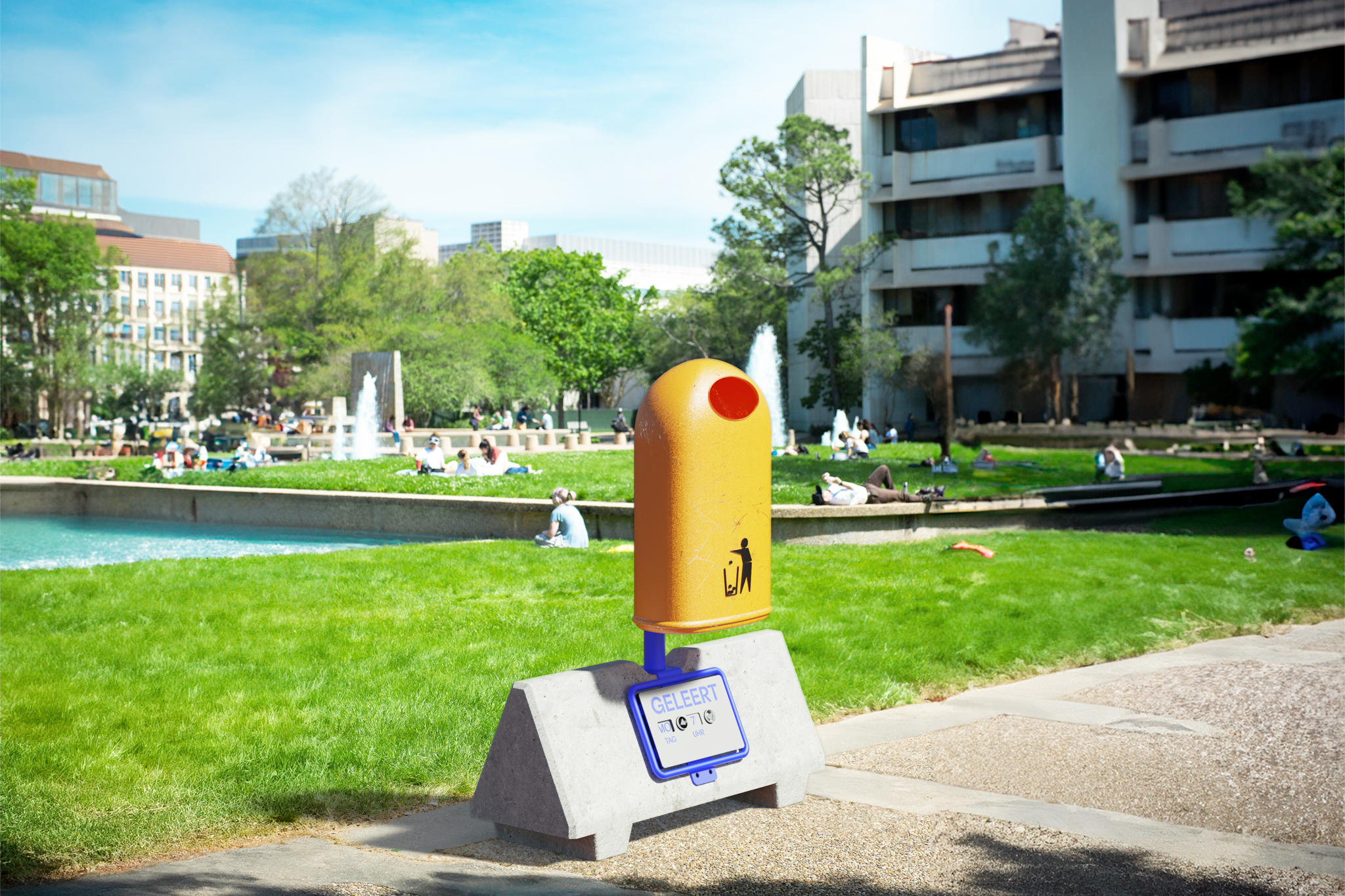
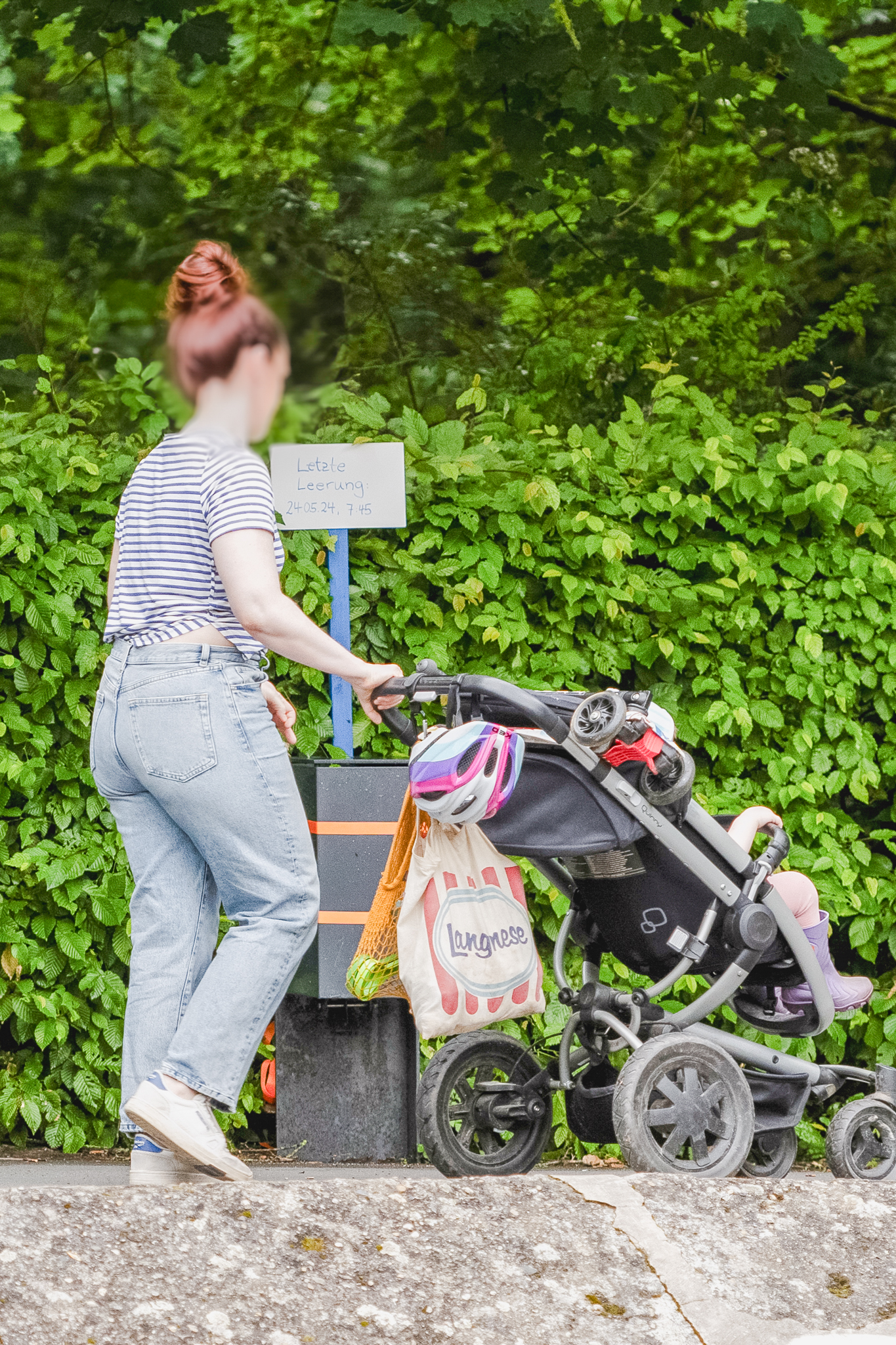
SIGNATURE
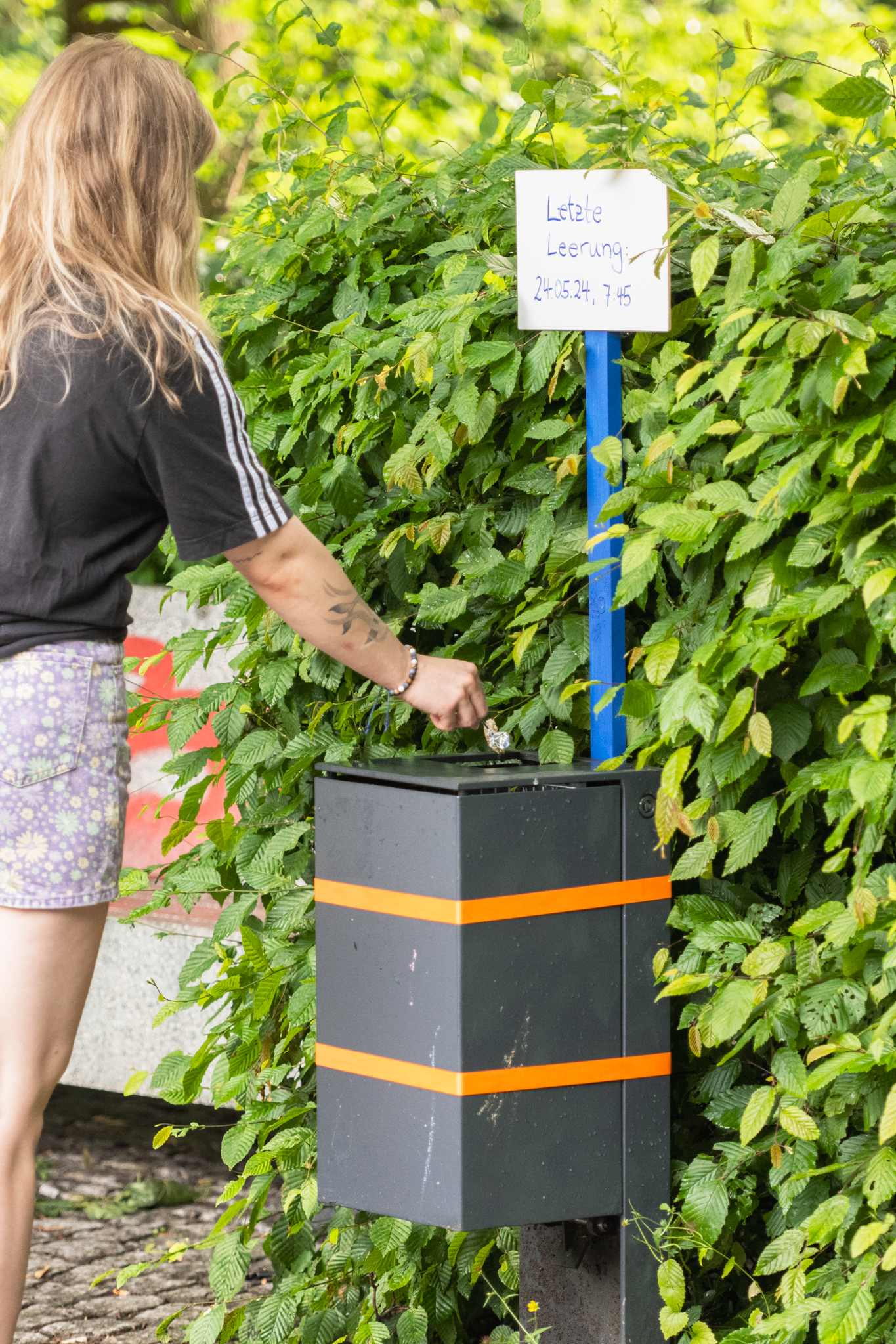
The installation draws attention to those who regularly empty the waste bins, a form of labor that usually remains invisible. The sign indicating the time of the last collection allows anyone to estimate how much waste has accumulated since the last emptying, prompting reflection and fostering a sense of appreciation.
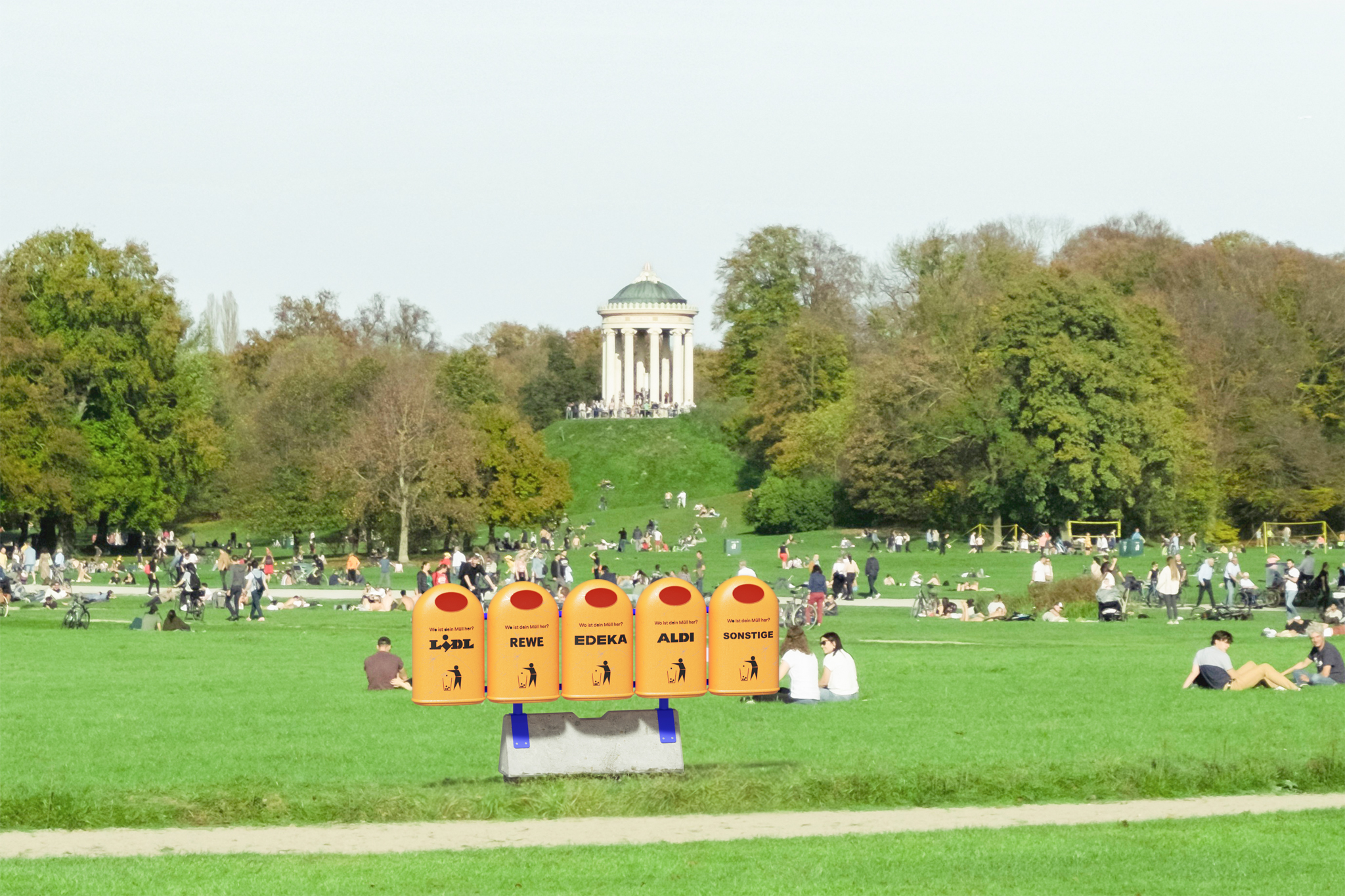
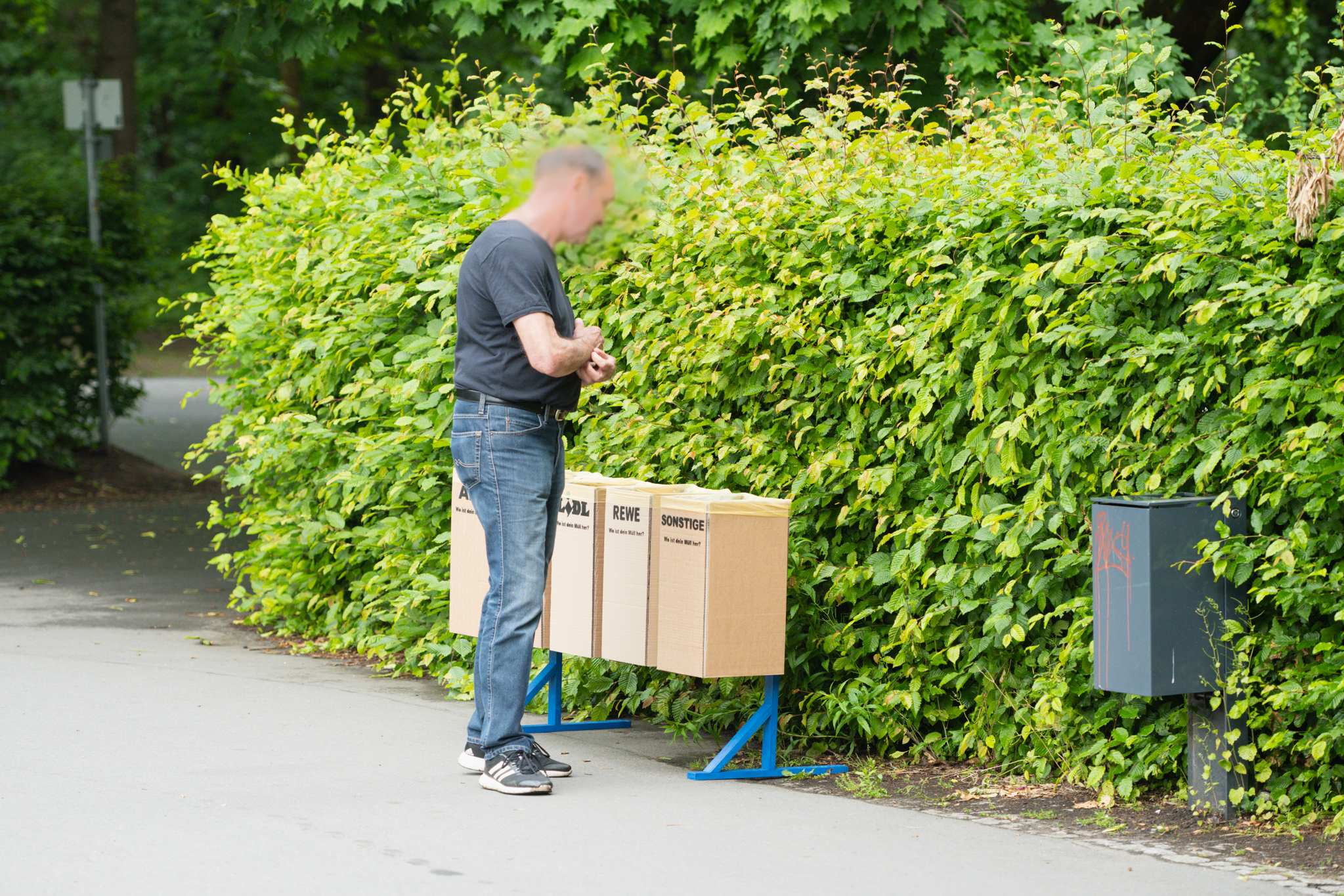
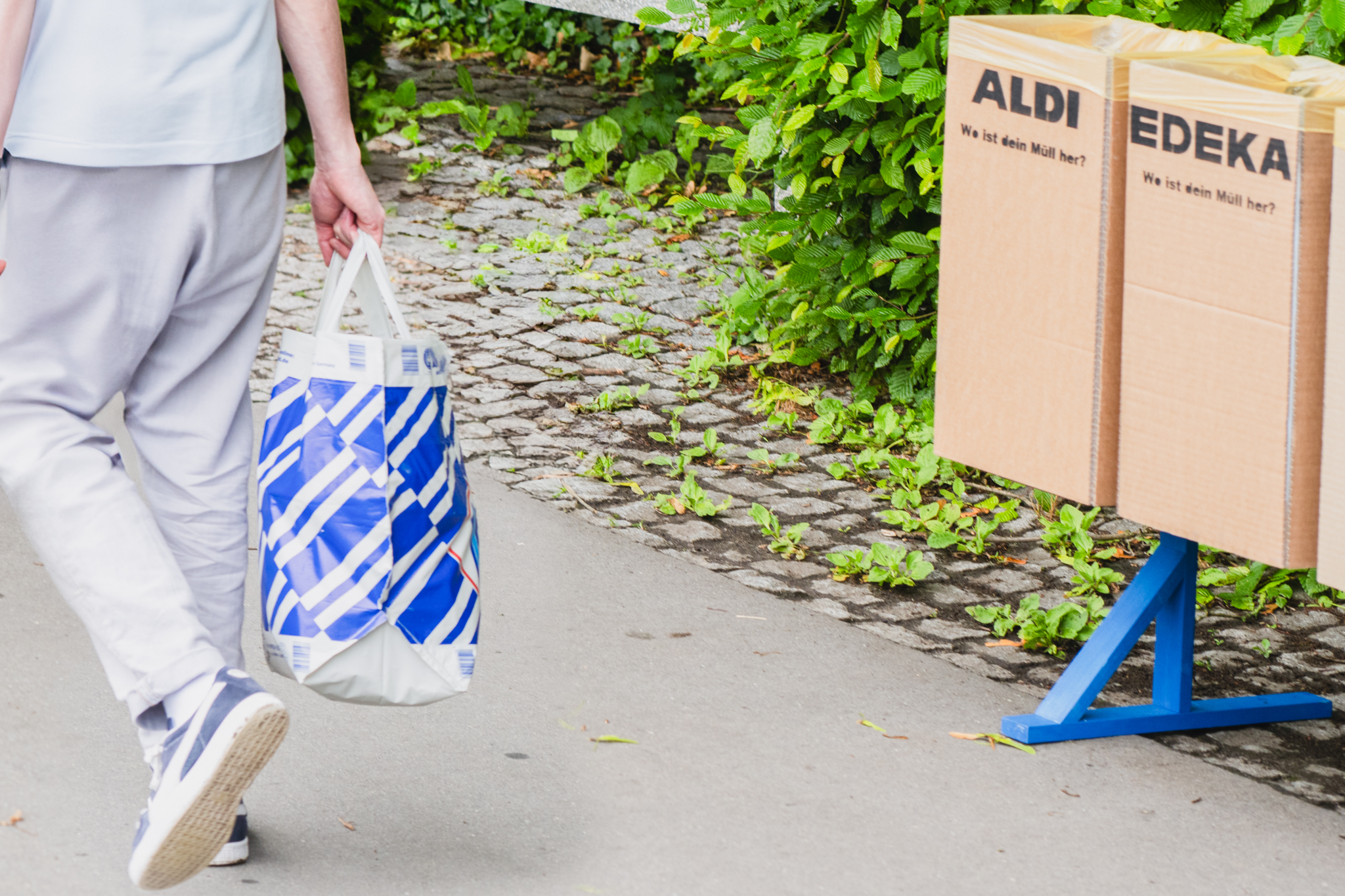
TRACE
Five waste bins labeled "Where is your trash from?" and marked with different supermarket names make the origin of waste tangible for passers-by. The installation points to the responsibility of retailers and encourages reflection on personal consumption patterns and packaging practices.
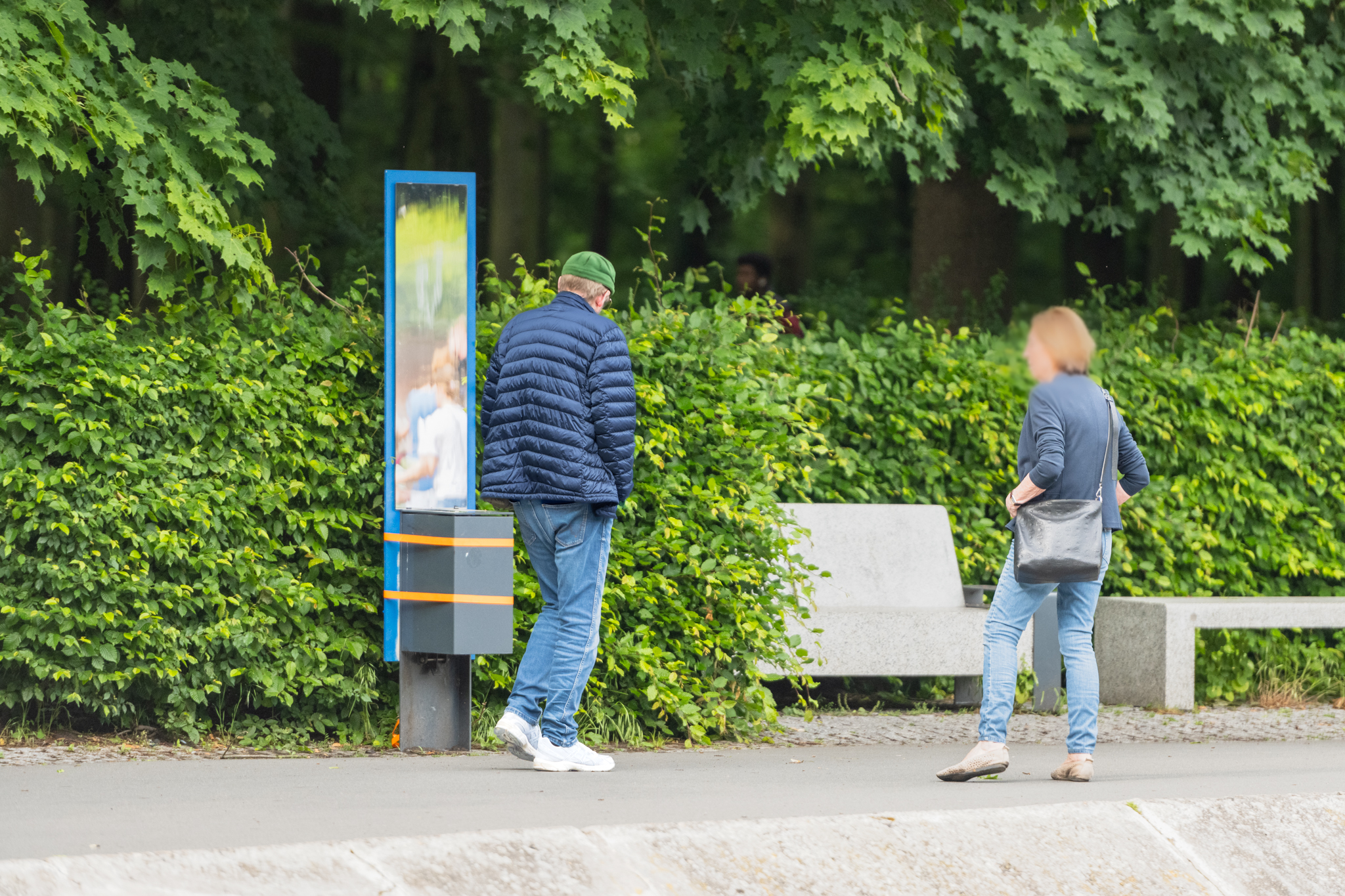
ECHO
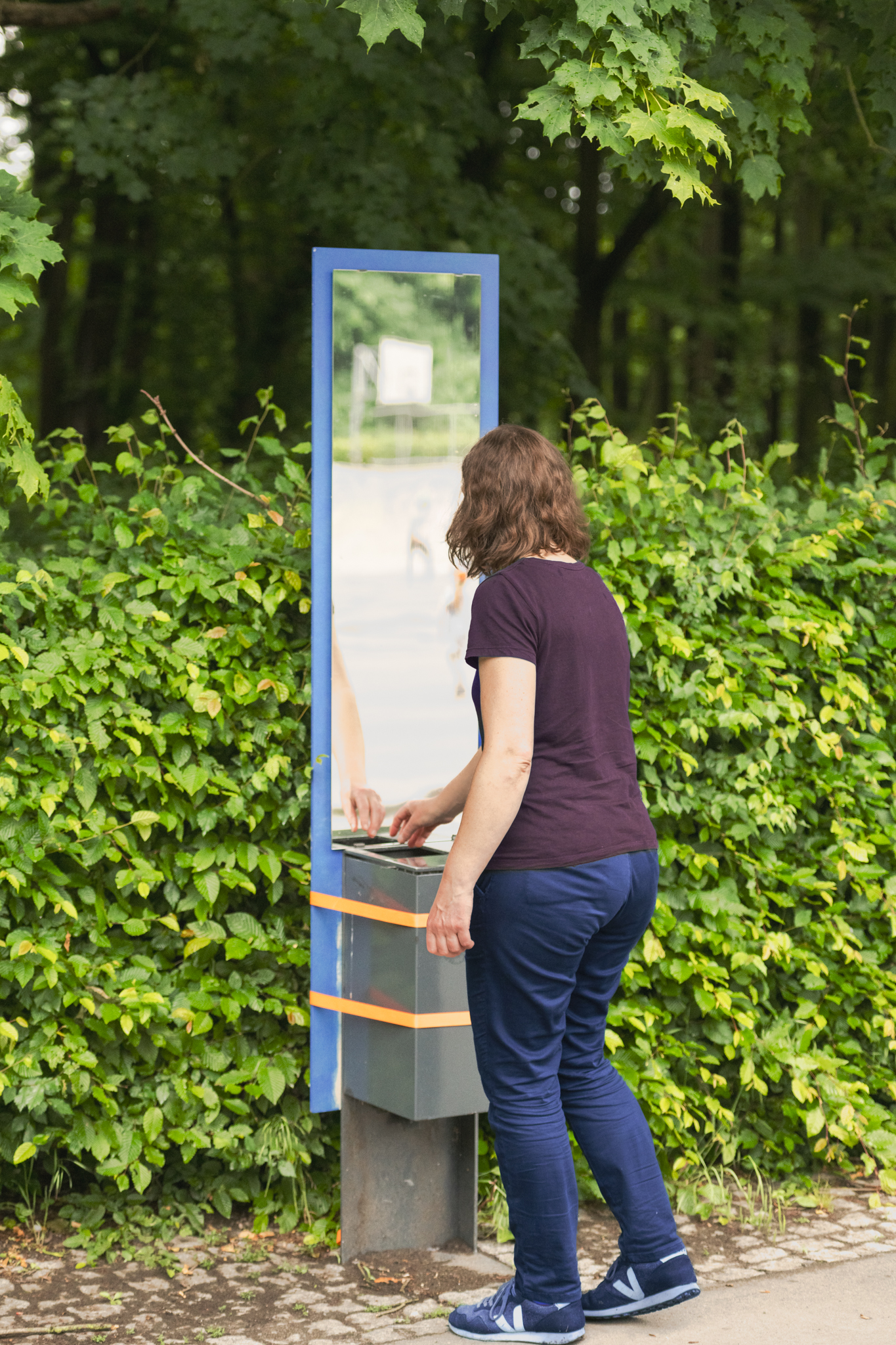
The colorful packaging waste thrown into the bin is mirrored by three reflective surfaces, creating vibrant visual patterns. This makes both the act of disposal and the waste itself more visible, interrupting the habitual, unconscious gesture of throwing something away.
FIELD TEST
The five developed concepts for waste-bin interventions are designed to motivate individuals to dispose of both their own and others' waste properly. A field test demonstrated that the concepts were generally accepted, resulting in a measurable reduction of littering at the test site. Moreover, the installations prompted reflection on personal consumption habits and stimulated discussion about waste more broadly.

Supported by: Stadtreinigung Braunschweig | Trash-Tracker | CleanUpDay Bachelor Thesis — Hochschule für bildende Künste Braunschweig